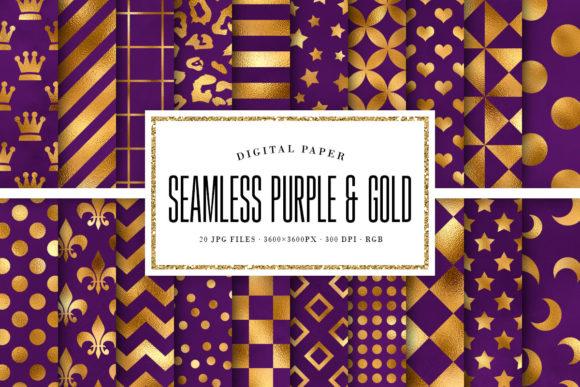
Abstract Seamless Patterns - Paper Art: A Creative Resource for Designers and Entrepreneurs
Abstract seamless patterns have become a popular choice among artists, designers, and entrepreneurs looking to add unique visual elements to their projects. These intricate designs are ideal for paper art, fabric patterns, face masks, merchandise, and print-on-demand (POD) products. Whether you're a beginner or an experienced creator, understanding how to choose and use these patterns can make a significant difference in your work.
What Are Abstract Seamless Patterns - Paper Art?
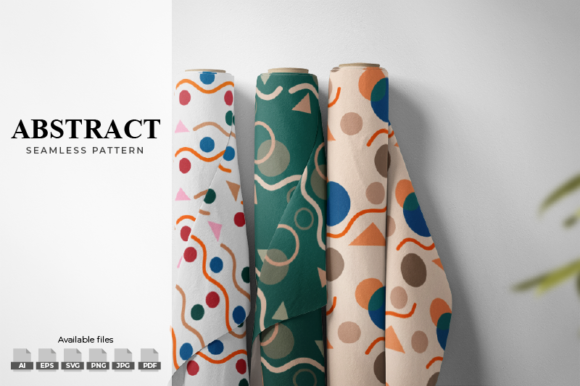
Abstract seamless patterns are digital designs that repeat without visible seams, making them perfect for creating continuous, cohesive visuals. They are often used in paper art, textile design, and product branding. The patterns are typically created using vector graphics, which allows for scalability and high-quality output at any size. This makes them versatile for a wide range of applications, from custom t-shirts to packaging designs.
Why People Choose Abstract Seamless Patterns
Many creators turn to abstract seamless patterns because they offer a quick and effective way to add artistic flair to their work. These patterns can be easily edited and customized, allowing for personalization while maintaining a professional look. For entrepreneurs, especially those involved in print-on-demand businesses, these designs provide a cost-effective solution for producing unique products without the need for complex design processes.
Common Mistakes When Working With Abstract Seamless Patterns
Despite their benefits, there are several common mistakes that users may encounter when working with abstract seamless patterns. One of the most frequent errors is not checking the file formats provided. Some designs may only come in specific formats, such as AI, EPS, SVG, PNG, or JPG, and not all software supports every file type. This can lead to compatibility issues and wasted time trying to convert files.
Another mistake is overlooking the resolution and quality of the images. High-resolution files, such as 300 DPI, are essential for professional printing. If the files are too low quality, the final product may appear blurry or pixelated, which can negatively impact the overall appearance and customer satisfaction.
Understanding File Formats and Compatibility
When purchasing abstract seamless patterns, it's important to review the file types included. Most sets include a mix of vector and raster files. Vector files (AI, EPS, SVG) are editable and scalable, making them ideal for detailed adjustments. Raster files (PNG, JPG) are best for web use or when a transparent background is needed. However, if you're using a program that doesn't support certain file types, you may need to convert them, which can affect the quality of the design.
For example, if you purchase a set that includes only EPS files but use a design tool that doesn't support them, you may find it difficult to edit the pattern effectively. Always check the compatibility of your software before making a purchase to avoid unnecessary complications.
The Importance of Checking Resolution and Backgrounds
Before using any abstract seamless pattern, ensure that the files meet the required resolution for your intended use. For print projects, 300 DPI is standard, while web-based designs may require lower resolutions. Additionally, some files may have a solid background, while others have a transparent one. If you're designing for a product that requires a transparent background, such as a custom phone case or sticker, make sure the files provided include that option.
One practical approach is to request a sample of the design before purchasing. This allows you to test the files in your workflow and confirm that they meet your needs. It also helps you identify any potential issues early on, saving time and resources in the long run.
Best Practices for Using Abstract Seamless Patterns
To get the most out of abstract seamless patterns, start by understanding your project requirements. Determine the purpose of the design—whether it's for print, digital use, or product customization—and select files that match those needs. For instance, if you're creating a fabric pattern for a clothing line, vector files will give you more flexibility during the design process.
Another tip is to organize your files properly. Keep different file types separated and label them clearly so you can quickly access what you need. This is especially useful when working on multiple projects or collaborating with others.
What to Check Before Making a Purchase
Before buying abstract seamless patterns, consider the following factors:
- File formats: Ensure the set includes the file types you need for your workflow.
- Resolution: Verify that the files are high quality and suitable for your intended use.
- License terms: Understand the usage rights to avoid legal issues, especially if you plan to sell products based on the design.
- Customer support: Look for sellers who offer assistance or have a clear return policy in case of problems.
By taking these steps, you can avoid many of the common pitfalls associated with abstract seamless patterns and ensure that your projects are both efficient and successful.